Mold Remediation Done Right — Starting With What's Causing It
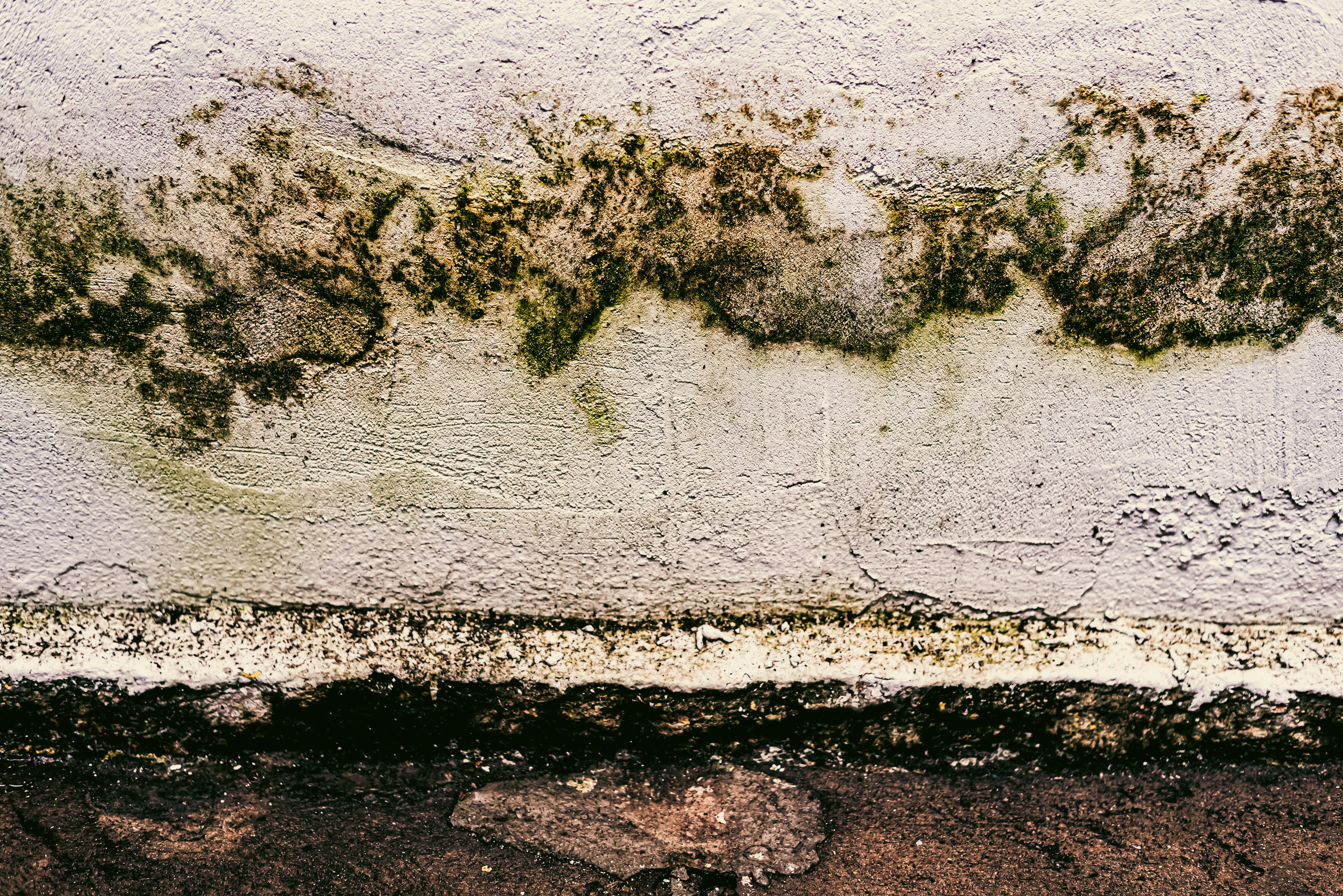
Southeast Alaska's climate doesn't forgive shortcuts. When mold shows up in your home, the visible growth is the symptom — the moisture problem behind it is what actually needs to be fixed. We handle post-remediation encapsulation and the structural repairs that keep mold from returning.
Why Mold Is Such a Persistent Problem in Southeast Alaska
Juneau gets roughly 60 inches of rain per year. Add in crawl spaces that collect ground moisture, aging siding that lets water in, and homes that don't always dry out between storms — and you have conditions where mold remediation without proper encapsulation is just a temporary fix. We've seen it firsthand: a homeowner has mold professionally removed, and six months later it's back in the same spot because the moisture pathway was never addressed.
Our work starts where most remediation companies stop. Once the mold has been cleared by a certified remediator, we come in and seal the affected surfaces, repair the underlying water damage, and close the entry points that allowed moisture to accumulate in the first place.
What Our Mold Encapsulation and Repair Work Covers
- Post-remediation encapsulation of treated surfaces to prevent regrowth
- Rot repair and structural restoration where mold has compromised framing or sheathing
- Crawl space vapor barriers and full encapsulation to cut off ground moisture
- Drywall removal, replacement, and finishing in water-damaged areas
- Insulation replacement in walls, floors, and attic spaces affected by moisture intrusion
- Siding and exterior repair to eliminate the water entry points that caused the problem
How We Approach a Mold Repair Project
1. Assess the Full Scope
Before any work starts, we look beyond the visible damage. That means checking the crawl space, inspecting the surrounding framing, and identifying where moisture is actually entering the structure. A surface fix without this step is a fix that won't hold.
2. Encapsulate the Treated Area
Once remediation is complete, we apply encapsulant to the affected surfaces. This creates a sealed barrier that prevents mold spores from reactivating if residual moisture is present during the transition period.
3. Repair the Structural Damage
Rot, compromised framing, failed drywall — we handle the reconstruction work that restores the space to full structural integrity. This isn't cosmetic patching. It's rebuilding what moisture damage took apart.
4. Close the Moisture Source
Whether it's a crawl space without a vapor barrier, a section of siding that's been letting water in, or insulation that's been holding moisture against the wall cavity, we address the root cause so the problem doesn't come back.
Juneau-Built, Climate-Tested
Kinnon Scharen has been working in Southeast Alaska construction for 22 years. He grew up in Juneau, which means he understands what this climate does to homes over time — the rot cycles, the crawl space moisture, the way a wet winter can turn a small leak into a structural problem. Glacier Bear Construction is BBB accredited, holds Professional License #216211, and has earned Best of Juneau gold awards in remodeling and homebuilding in both 2024 and 2026. When we fix a moisture problem, we fix it to last in this climate — not in a drier one.
If you're dealing with mold damage or want to make sure a remediated space is properly sealed and repaired, we're ready to help. Call, text, or email for a free estimate.
Common Questions About Mold Encapsulation and Repair
What is a backflow test?
A backflow test verifies that the device installed on a plumbing system is preventing contaminated water from flowing back into the clean water supply. Certified testers measure pressure inside the assembly to confirm it is operating correctly.
How often is backflow testing required in Raleigh?
Most backflow devices must be tested once per year. The testing schedule depends on the property and the type of backflow assembly installed.
Do you submit backflow test results to the city?
Yes. After testing is completed, we submit the documentation required for backflow certification.
What happens if my backflow device fails the test?
If the device fails inspection, the internal components typically need to be repaired or rebuilt. After repairs are completed, the assembly is retested so it can receive certification.
What types of backflow devices do you test?
We test common assemblies used in Raleigh including RPZ backflow devices and other backflow prevention assemblies installed on residential and commercial systems.